

AI Wearable Assistant
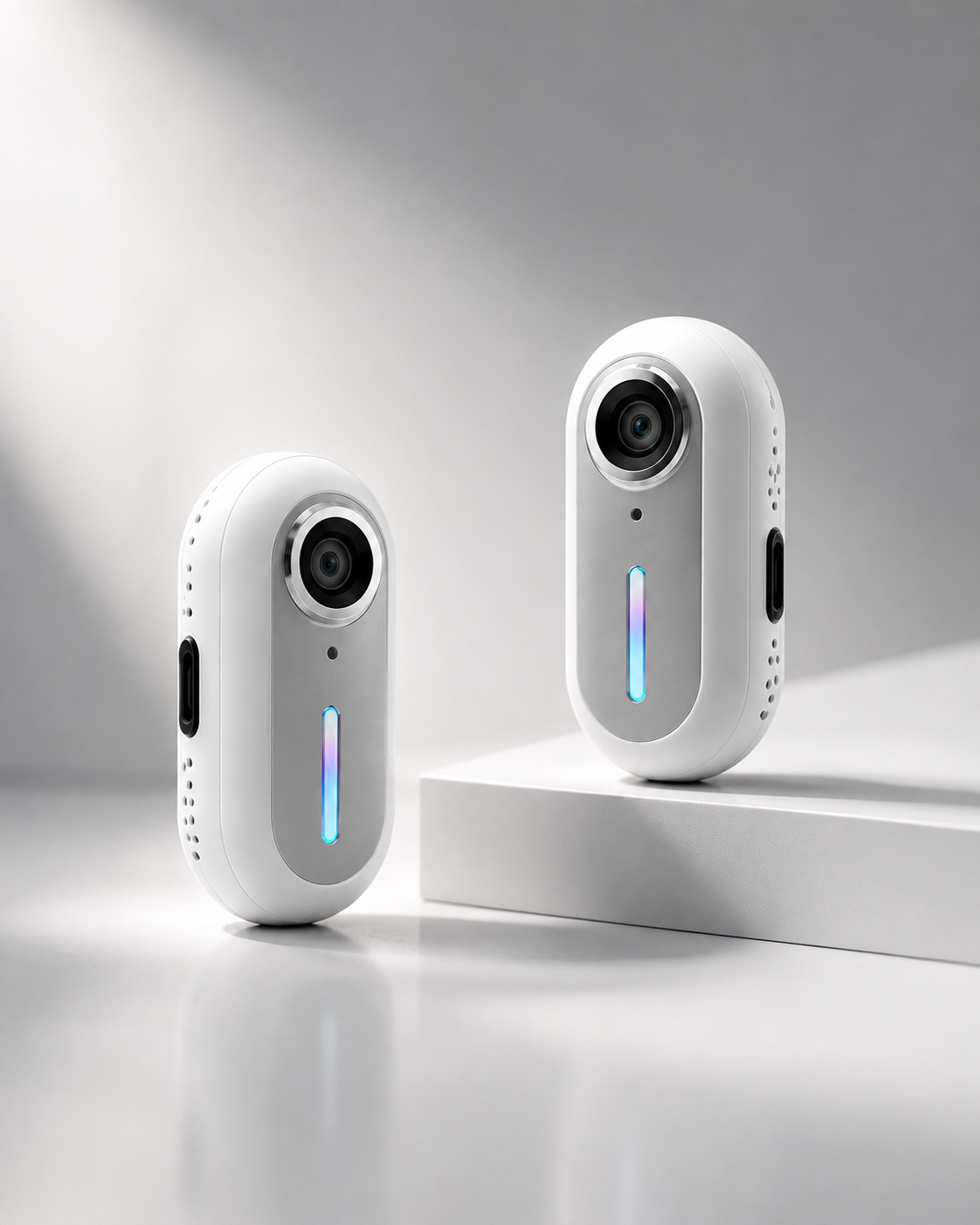
- UI UX Design
- Industrial design
- Prototype
- SaaS Design
AI Wearable Device
Overview
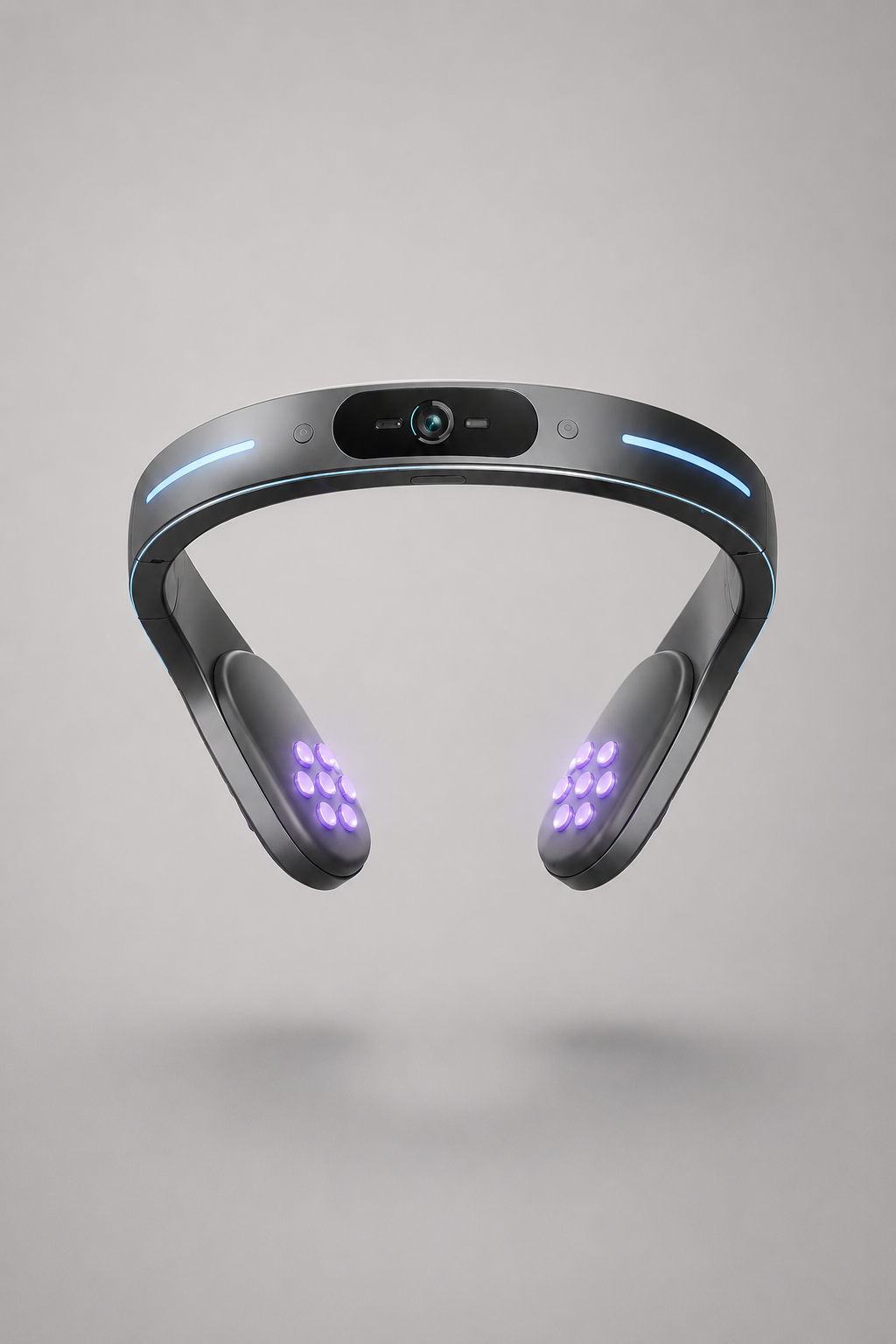
Our client envisioned an AI wearable that could seamlessly capture conversations, understand visual surroundings, and assist users throughout the day—without feeling intrusive or overly technical. The challenge extended beyond integrating AI, cameras, and microphones into a compact device. It required designing a wearable that people would genuinely feel comfortable using in everyday life while maintaining trust, privacy, and social acceptance.
The project focused on transforming advanced AI capabilities into an intuitive physical product. Every design decision balanced technological performance with human behavior, resulting in a wearable assistant that feels approachable, lightweight, and naturally integrated into daily routines rather than resembling surveillance equipment or medical hardware.
Philosophy
We approached the product with one guiding principle: technology should disappear into everyday life.
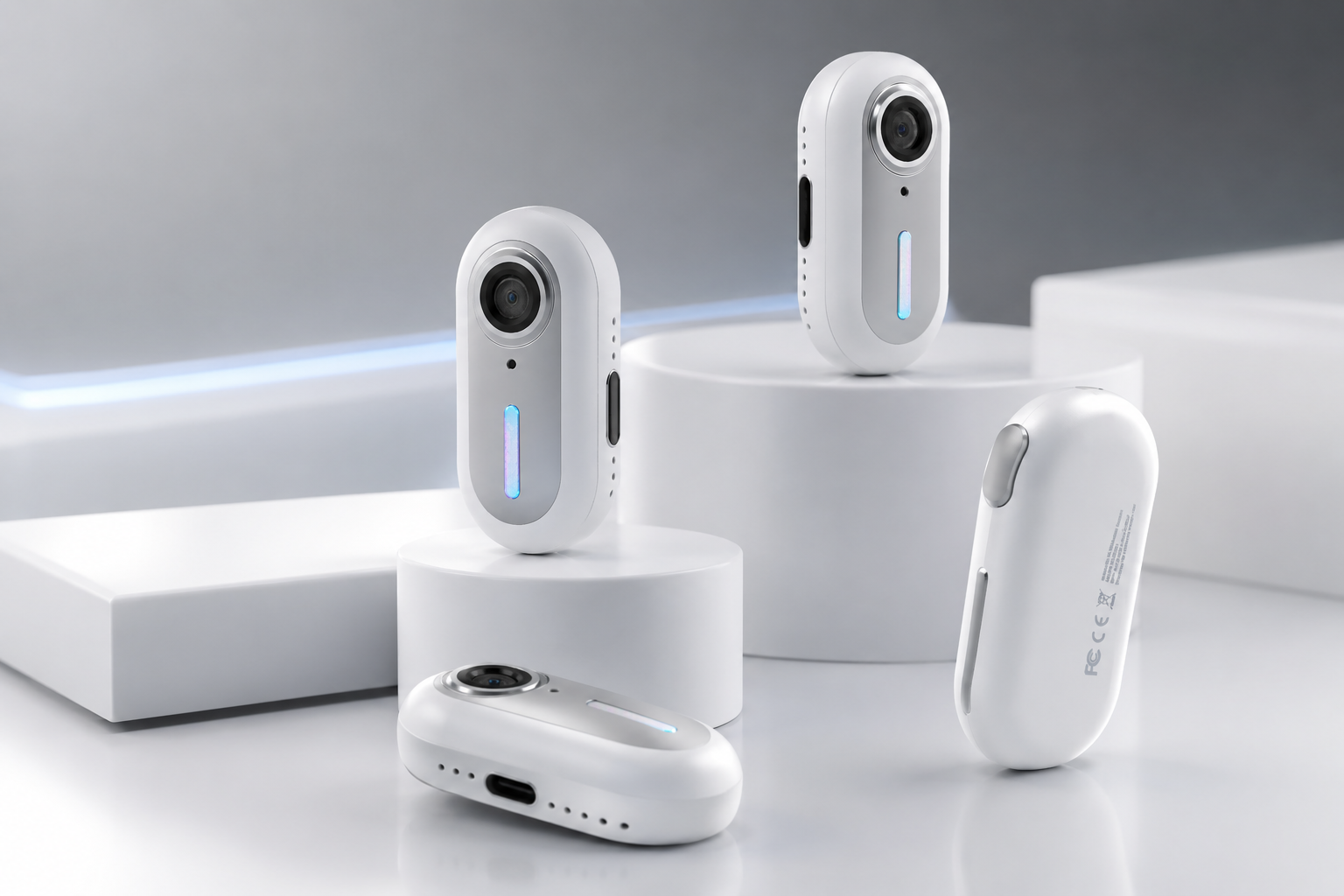
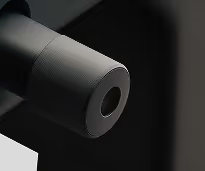
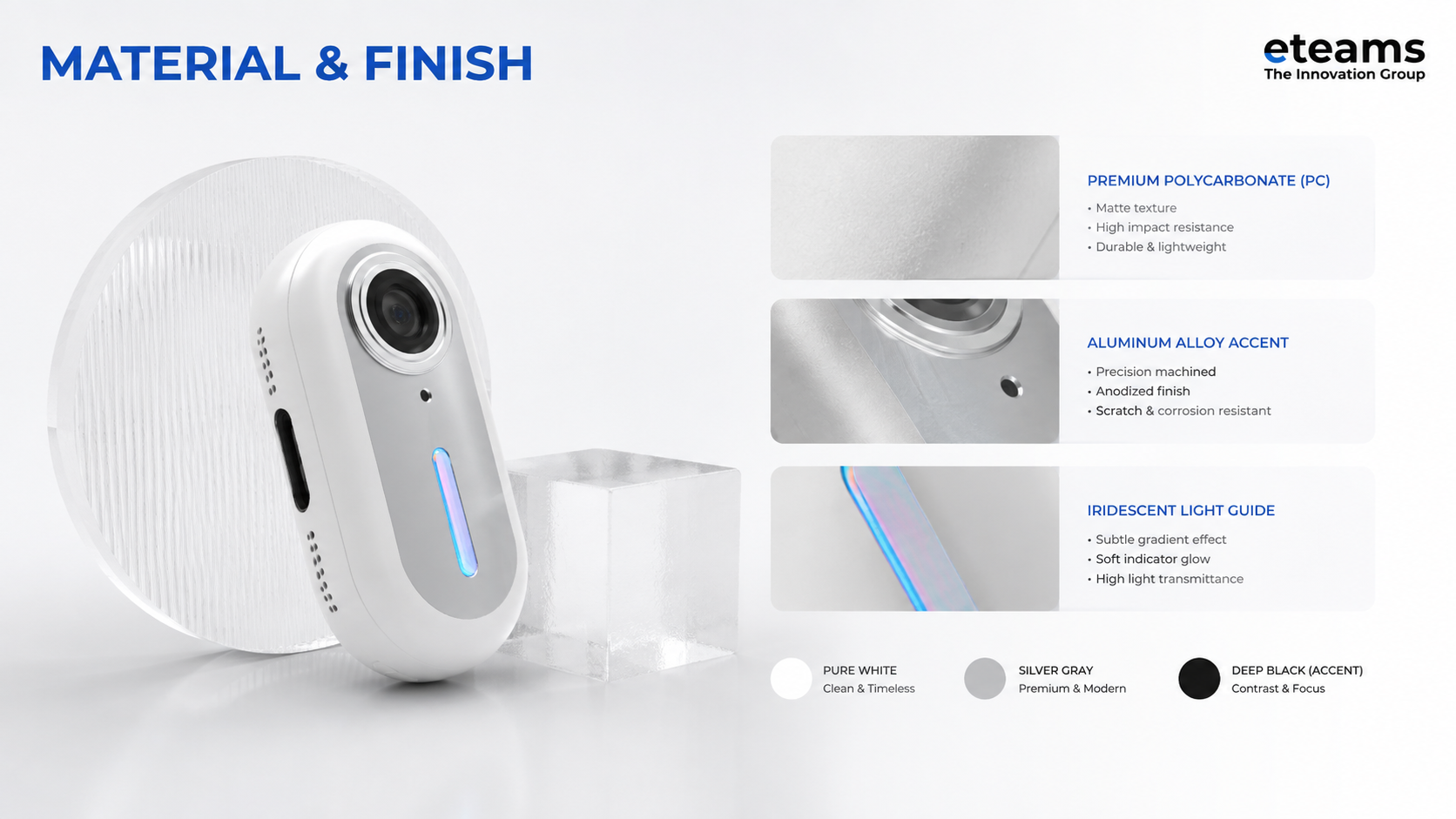
Instead of emphasizing the intelligence of the AI, we focused on how naturally users could interact with it. The hardware was designed to operate without a display, relying on tactile interaction, voice feedback, and subtle visual indicators. A single physical button provides confident operation by touch alone, while the illuminated status light clearly communicates recording activity to both the wearer and nearby people, reinforcing transparency and trust.
The device was also designed as a flexible wearable platform. Rather than limiting users to one form factor, a shared mounting system allows it to be worn as a clip, magnetic pin, lanyard, or wristband, adapting to different lifestyles without changing the core hardware architecture.
The Vision
Beyond creating a single wearable product, the vision was to establish a scalable AI hardware platform capable of supporting multiple use scenarios.
Whether recording business meetings, documenting daily experiences, assisting visually impaired users, or providing contextual AI interactions, the device remains consistent through a unified industrial design language. Inspired by modern simplicity, the final concept emphasizes soft geometry, approachable proportions, and premium materials that allow advanced technology to blend naturally into everyday fashion and accessories.
By combining AI, wearable ergonomics, and modular accessories into one cohesive ecosystem, the product demonstrates how intelligent hardware can become an extension of the user rather than an object demanding constant attention.
Design Development & Validation
Throughout development, every concept was evaluated against a structured industrial design framework rather than aesthetics alone.
- Explored multiple form factors before selecting the final wearable architecture.
- Compared different attachment mechanisms including silicone bands, mechanical latches, and magnetic systems to balance comfort, durability, and usability.
- Evaluated ergonomics, social acceptance, manufacturability, recording transparency, and long-term wearability through measurable design metrics.
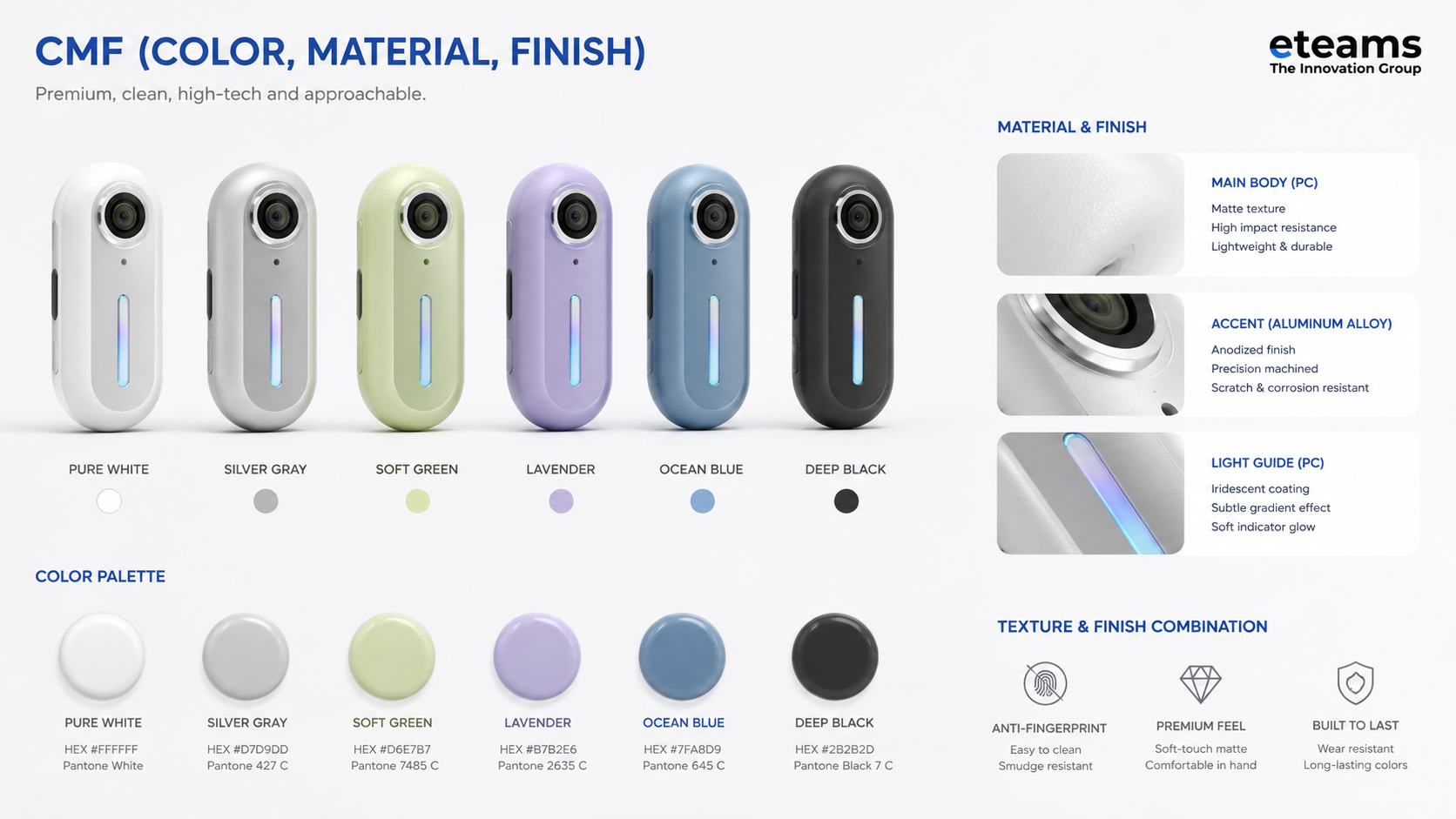
- Refined CMF, proportions, and interaction details to create a product that feels premium while remaining approachable for everyday use.
- Validated the final concept using weighted Industrial Design Evaluation Metrics covering wearability, manufacturability, usability, and production readiness
Conclusion
The final concept successfully balanced technical capability with emotional acceptance.
Through multiple rounds of concept exploration and evaluation, the design evolved into a compact wearable platform that achieves excellent comfort, intuitive operation, recording transparency, and manufacturing feasibility. The modular attachment system increases versatility while maintaining a consistent product identity across different wearing modes.
The result is a future-ready AI wearable that combines thoughtful industrial design with practical engineering considerations, creating a foundation for next-generation personal AI assistants.